LinkWord
Home
Directory
Articles
AI models
Tools
Pixel Plaza
Settings
ContactRSSFriend linksSubmit site
Privacy Policy·Disclaimer
陕ICP备2025083618号-2

Hot channels

AI ToolsDeveloper ToolsProductivity ToolsJobs & CareersSecurity Tools
DirectoryArticlesTools

Tech news & AI articles - LinkWord

AI and tech news, product notes, and practical tutorials—curated long reads updated regularly.

ArchiveRSS feedBack to home
AllAIWebsite RecommendationsTechnology NewsAI Tool RecommendationsRecommended tools
AI News
AI ToolsTutorialsOpen Source
Sort
LatestPopular

Page 4 of 5 · 51 articles

4
Previous
1
2
3
5
Next
Cover image for “GLM-5.1: A New Paradigm for Long-Context Tasks in Open-Source AI, Delivering 94.6% of Claude Opus Capability at Just 20% of the Cost”

GLM-5.1: A New Paradigm for Long-Context Tasks in Open-Source AI, Delivering 94.6% of Claude Opus Capability at Just 20% of the Cost

GLM-5.1 is a new generation of open-source large models released by Zhipu AI, with its core breakthrough lying in achieving a paradigm shift from "ambient programming" to "long-range tasks." It signifies a shift in the measurement standard of model capabilities, moving from "how smart it is" to "how long it can work effectively."

4/9/2026

83 views

Cover image for “Claude Mythos: The 'Forbidden' Work in AI Security and a Comprehensive Comparison with Mainstream Models”

Claude Mythos: The 'Forbidden' Work in AI Security and a Comprehensive Comparison with Mainstream Models

On April 7, 2026, Anthropic officially released its most powerful AI model to date—Claude Mythos Preview. Described internally as a "generational shift," the model delivers breakthrough advances across multiple areas including code repair, cybersecurity, and reasoning. Because of its potent vulnerability-discovery capabilities and the attendant security risks, Anthropic adopted an unprecedentedly cautious approach: the model is not publicly accessible and is available only via the Project Glasswing cybersecurity initiative with limited access granted to more than 40 tech giants. This article offers a comprehensive comparison of Claude Mythos against mainstream models such as GPT-5.4 and Gemini 3.1 Pro across technical capability, safety features, and market positioning, and analyzes how this powerful-yet-dangerous AI could reshape the industry's competitive landscape.

4/8/2026

26 views

Cover image for “Sora's Quiet Exit — Can Seedance 2.0 Carry the Torch for AI Video Generation?”

Sora's Quiet Exit — Can Seedance 2.0 Carry the Torch for AI Video Generation?

On March 25, 2026, OpenAI abruptly announced the full shutdown of its AI video-generation project Sora — a decision that shocked the tech world and marked a new competitive phase in the AI video-generation space. At the same time, ByteDance's Seedance 2.0 (Ji Meng AI) is rapidly filling the void, leveraging localization, cost efficiency, and multimodal capabilities to become a strong contender after Sora's departure. This article explores the deeper reasons behind Sora's closure, analyzes Seedance's technical advantages, and looks ahead to the future landscape of AI video generation.

4/8/2026

38 views

Cover image for “ChatGPT Update: GPT-6 Nears Launch as Market Share Shrinks and AI Assistant Faces Multiple Challenges”

ChatGPT Update: GPT-6 Nears Launch as Market Share Shrinks and AI Assistant Faces Multiple Challenges

In April 2026, the ChatGPT ecosystem is undergoing a major transformation: GPT-5.4 has been fully deployed and GPT-6 is on the verge of release, yet OpenAI is confronting multiple headwinds — slipping market share, management turmoil, and barriers to commercialization. From a record $122 billion in funding to CarPlay vehicle integration, and from slow progress on an app store to a retrenchment of e-commerce strategy, ChatGPT is navigating a critical transition from technological leadership toward sustainable commercial monetization.

4/8/2026

73 views

Cover image for “Colleague.Skill: When AI Learns to 'Refine' Departed Colleagues — Cyber Immortality or Workplace Horror Story?”

Colleague.Skill: When AI Learns to 'Refine' Departed Colleagues — Cyber Immortality or Workplace Horror Story?

Colleague.Skill is an open-source project that went viral on GitHub in late March 2026, gaining over 7,000 stars in just a few days and quickly becoming a hot topic in the tech community. Built on Claude Code's AI Agent tool, the project collects chat logs, documents, code, and other data from departed employees, then uses large language models to generate an AI avatar that mimics the employee's work habits and communication style, realizing the vision of digital immortality by "turning cold farewells into warm Skills."

4/8/2026

40 views

Cover image for “Gemma 4: Google's 'Unit Parameter Intelligence' Revolution in Open-Source AI”

Gemma 4: Google's 'Unit Parameter Intelligence' Revolution in Open-Source AI

On April 2, 2026, Google DeepMind officially released the Gemma 4 open-source large model series, the most intelligent open-weight model Google has ever produced. Gemma 4 is designed for advanced reasoning and agent workflows, achieving an unprecedented level of per-parameter intelligence. The series includes four models of different sizes, covering a full range of use cases from smartphones to workstations, and is the first to adopt the Apache 2.0 license, fully removing commercial usage restrictions. The 31B parameter model ranks third among global open-source models on the standard Arena AI text leaderboard, with performance even surpassing models twenty times its size.

4/4/2026

30 views

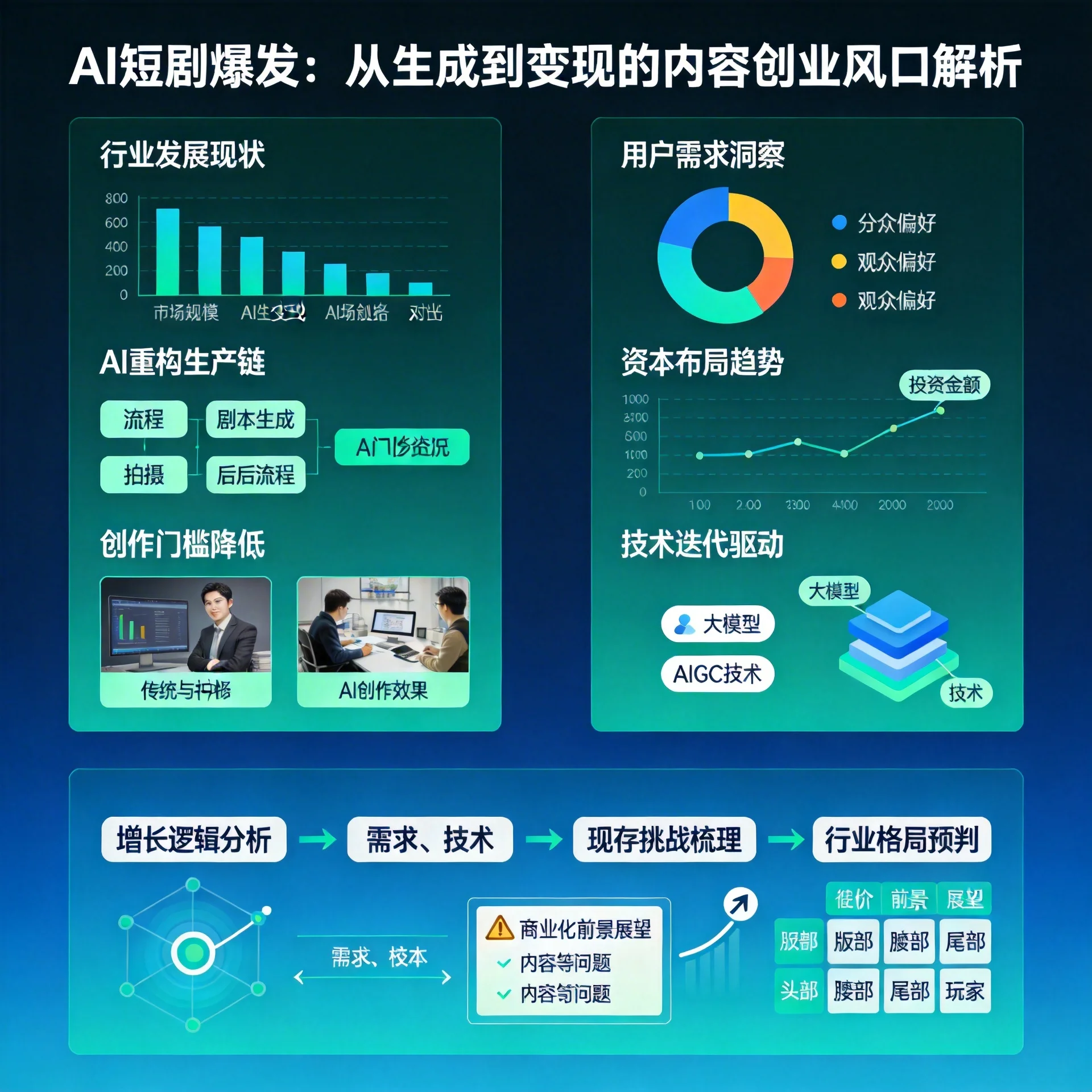
Cover image for “The Boom of AI Short Dramas: From Generation to Monetization, An In-depth Analysis of the Next Big Opportunity for Content Entrepreneurship”

The Boom of AI Short Dramas: From Generation to Monetization, An In-depth Analysis of the Next Big Opportunity for Content Entrepreneurship

This article delves into the current development of the AI short drama industry, analyzes how AI reshapes the short drama production chain and significantly lowers the barrier to content creation. It dissects the industry's growth logic from three dimensions: user demand, capital deployment and technological iteration, sorts out existing challenges, and delivers forward-looking judgments on the future commercialization prospects and industry landscape.

4/4/2026

41 views

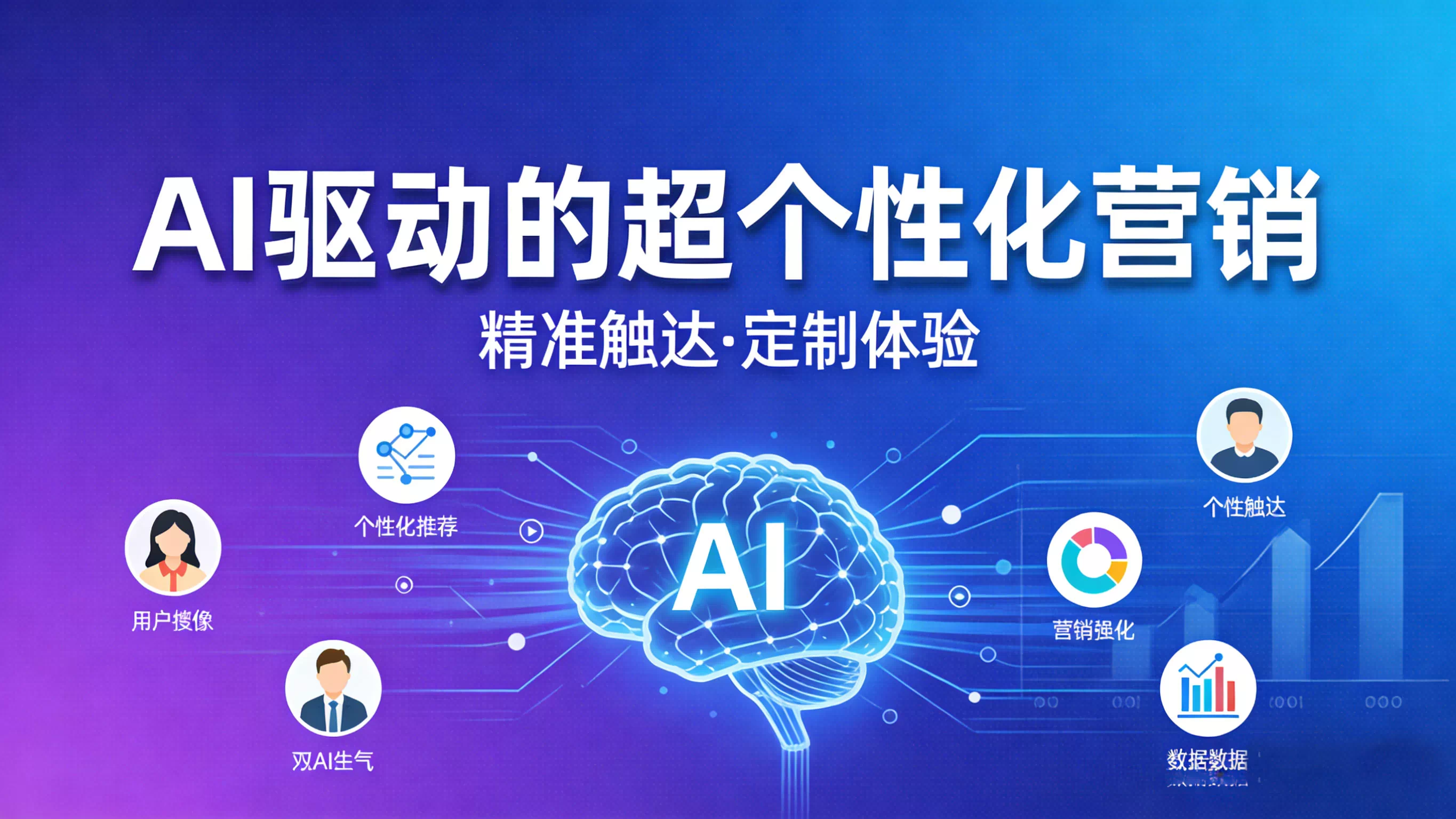
Cover image for “From Mass Uniformity to Hyper-Personalization: How AI-Driven Marketing Is Reshaping the Future of Business”

From Mass Uniformity to Hyper-Personalization: How AI-Driven Marketing Is Reshaping the Future of Business

Artificial intelligence is reconstructing the fundamental logic of marketing, driving the industry from traditional standardized, scale-oriented “one-size-fits-all” models toward a data- and algorithm-driven era of hyper-personalization. By combining multi-source user data with real-time behavior analysis, predictive modeling, and generative content creation, AI builds dynamic customer profiles to enable precise, cross-channel, end-to-end targeting and personalized experiences. This article unpacks the core concepts and technical underpinnings of hyper-personalized marketing, illustrates practical cases from e-commerce, retail, and travel/cultural sectors, and explains its value in improving conversion, strengthening brand loyalty, and optimizing marketing ROI. It also examines challenges around data privacy and algorithmic ethics and proposes compliant, human-centered development paths to help businesses seize the opportunities of AI-driven marketing transformation.

3/26/2026

29 views

Cover image for “AI-Powered E-commerce: From Precision Marketing to Intelligent Supply Chains”

AI-Powered E-commerce: From Precision Marketing to Intelligent Supply Chains

Artificial intelligence is profoundly reshaping every facet of e-commerce. This article systematically outlines five core AI application scenarios in the sector: using personalized recommendation systems to boost user engagement and conversion rates; deploying intelligent customer service to deliver 24/7 efficient support and reduce costs; leveraging predictive analytics to enable smart supply chains and inventory management; innovating with visual search and virtual try-on to enhance the shopping experience; and employing automated marketing tools for precise targeting. Collectively, these applications are driving e-commerce toward greater intelligence, efficiency, and personalization.

3/25/2026

26 views

Cover image for “Leading the Future: The AI-Driven Revolution in Enterprise Workplace Efficiency”

Leading the Future: The AI-Driven Revolution in Enterprise Workplace Efficiency

Amid the wave of digital transformation, artificial intelligence (AI) has become a core engine for enterprises to enhance competitiveness. This article explores how organizations can undertake systematic AI-driven transformation to redesign office workflows, empower employees, and optimize collaboration, ultimately achieving step-change improvements in operational efficiency. From the perspectives of strategic planning, tool implementation, and cultural adaptation—and illustrated with practical case studies—it offers actionable transformation roadmaps and recommendations for risk mitigation.

3/24/2026

44 views

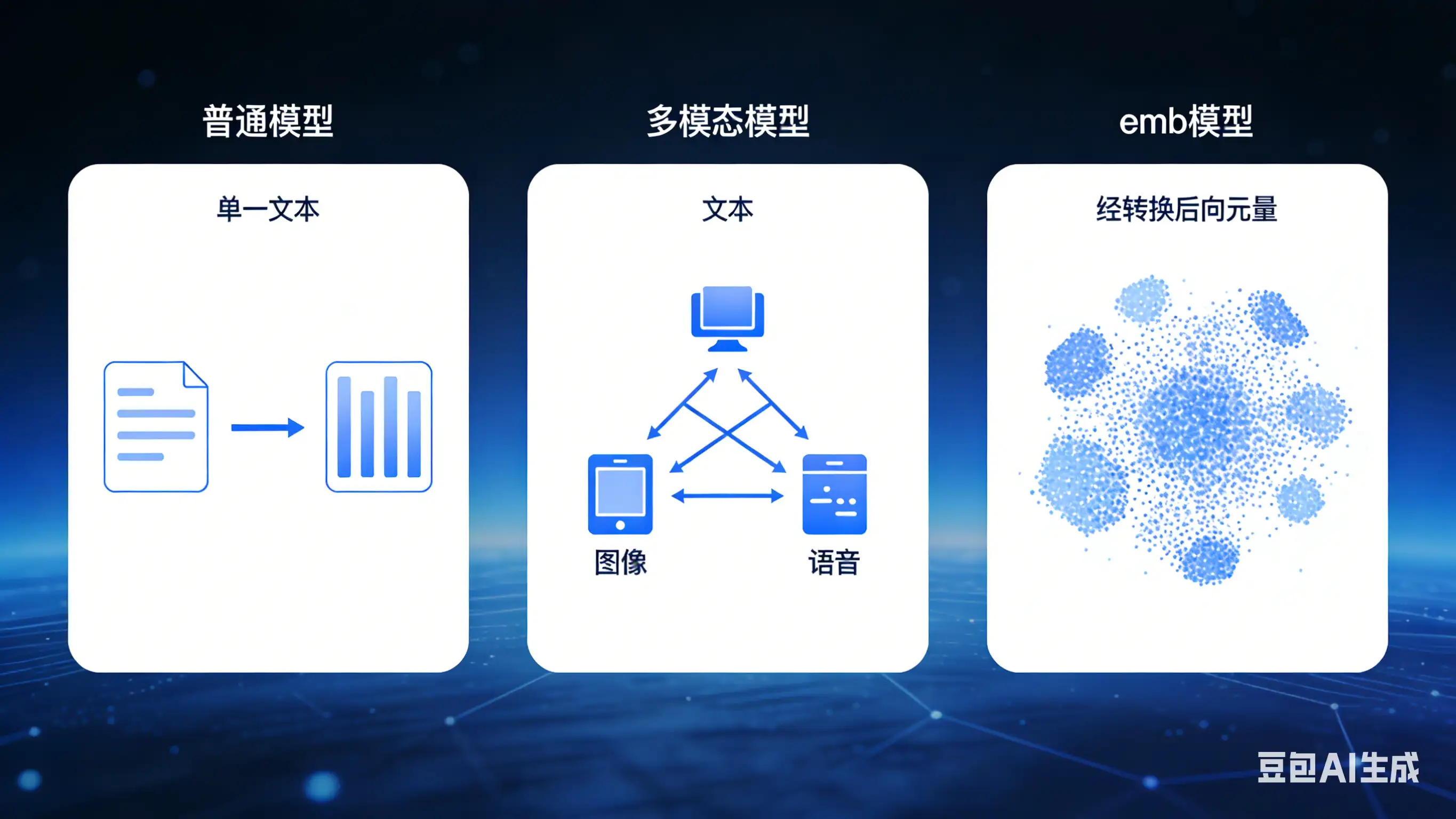
Cover image for “Core Differences Between Standard, Multimodal, and Embedding (Emb) Models — A Clear, Easy-to-Understand Guide”

Core Differences Between Standard, Multimodal, and Embedding (Emb) Models — A Clear, Easy-to-Understand Guide

In AI, standard models, multimodal models, and embedding (Emb) models are three core yet easily confused types. This article systematically unpacks their essential differences across four dimensions—definition, primary function, technical characteristics, and application scenarios. Standard models are single-purpose processors that focus on specific tasks within a single modality; multimodal models are fusion processors that integrate and transform information across text, images, audio, and other modalities; embedding models act as information-to-vector converters, transforming diverse inputs into low-dimensional vectors that provide foundational support for other models. The piece also clarifies their collaborative relationships and common misconceptions, helping readers quickly identify each model’s role and choose the right model for different scenarios.

3/23/2026

29 views

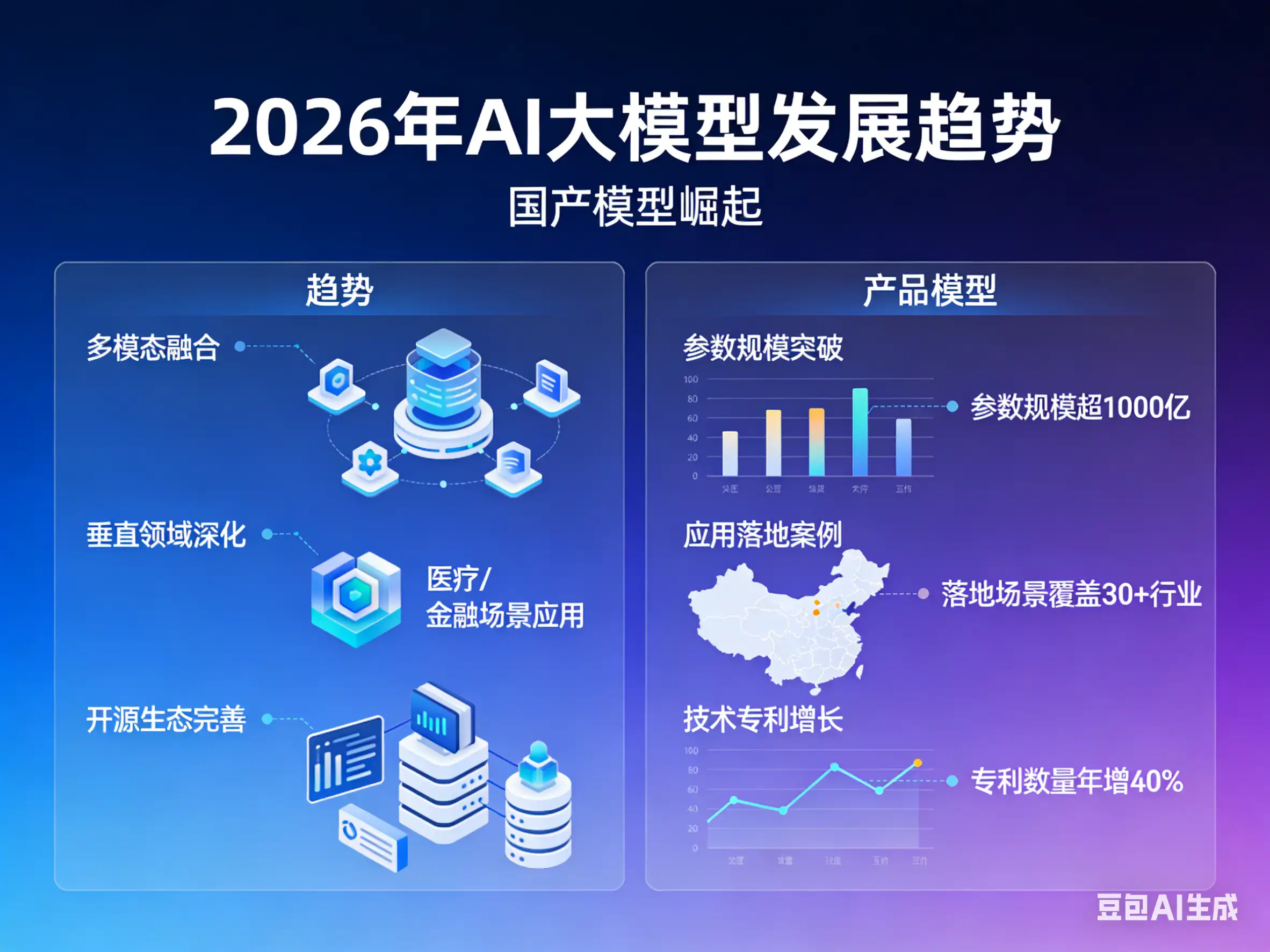
Cover image for “Comprehensive 2026 Comparison of AI Foundation Models: From Global Giants to Homegrown Challengers”

Comprehensive 2026 Comparison of AI Foundation Models: From Global Giants to Homegrown Challengers

This article systematically compares the core capabilities of major AI foundation models in 2026 — including GPT-5, Claude 4.6, Gemini 3.1 Pro, and domestic offerings such as DeepSeek and Tongyi Qianwen. It covers key dimensions like programming, reasoning, multimodal performance, and pricing/costs, and includes detailed comparison tables. The analysis shows that domestic models are rapidly gaining ground thanks to open-source ecosystems and exceptional cost-effectiveness. The article concludes with concrete model-selection recommendations tailored to different use cases.

3/23/2026

203 views